As Kenya confronts a resurgence in new HIV infections, sustaining prevention at scale is becoming increasingly critical. The World AIDS Day 2025 report, drawing on 2024 national HIV estimates, revealed approximately 20,000 new HIV infections, placing renewed pressure on prevention systems, particularly in high-burden counties. This reality highlights the importance of partners such as PS Kenya, whose market-based prevention models help maintain access to essential tools beyond public health facilities, especially in counties where risk remains concentrated.
These trends signal not just individual risk, but prevention systems under strain at the very moment communities need protection most. They also reinforce a central lesson from Kenya’s HIV response: prevention works when access is consistent, trusted, and embedded in everyday life. When prevention tools fall out of reach, infections rise. When systems hold, communities are protected.
This is where private sector engagement, anchored by strong delivery systems, becomes essential.
Condoms remain one of the most effective and affordable HIV prevention tools available. Their impact, however, depends on whether people can access them easily, confidently, and without stigma. Awareness alone is not enough. Prevention must extend beyond health facilities into the everyday spaces where people live, work, and make decisions about their health. In this context, delivery matters just as much as demand.
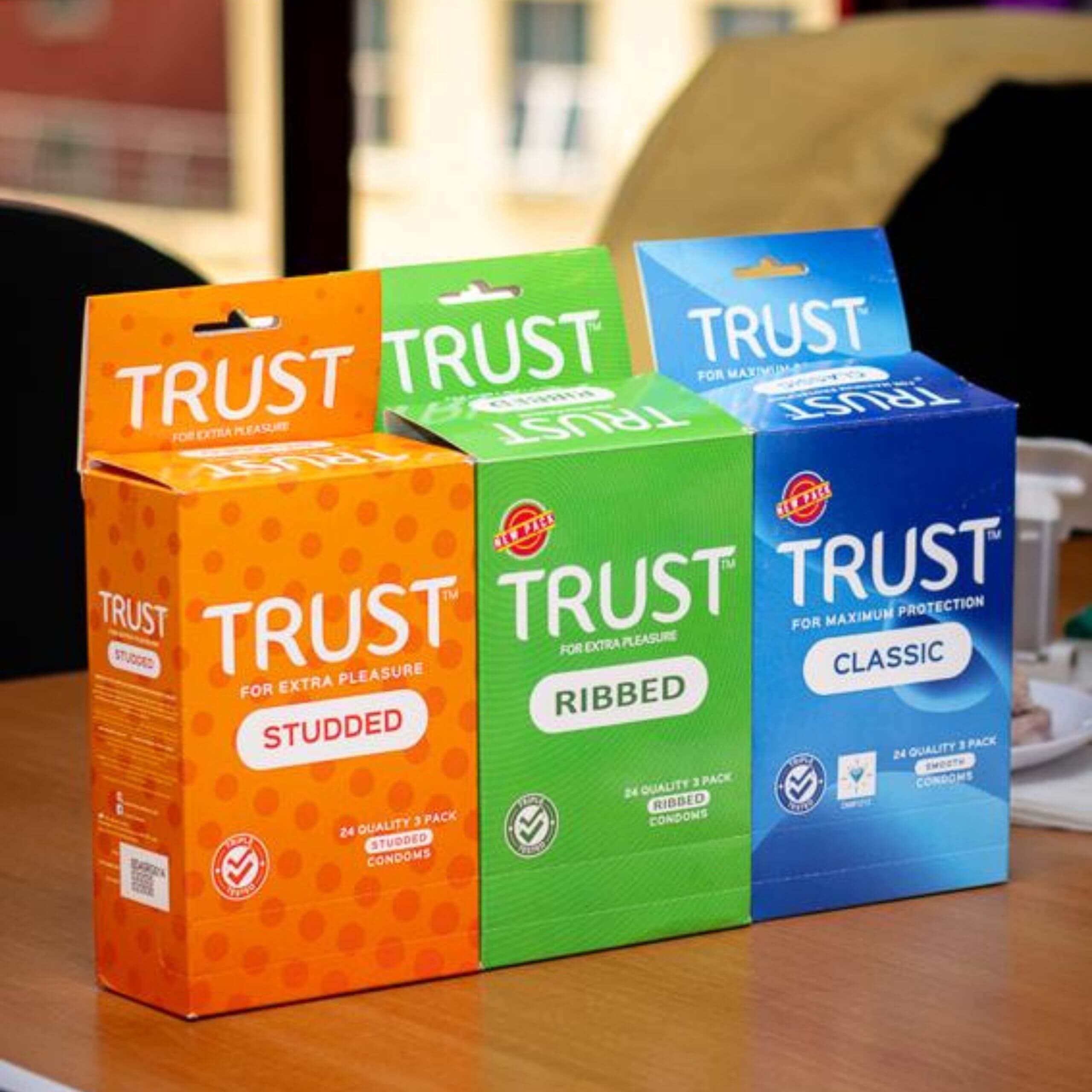
In 2025, PS Kenya distributed over 32.9 million TRUST condoms across the country through a market-based approach that leverages pharmacies, clinics, retail outlets, and established commercial distribution networks. This national footprint helps ensure that prevention does not stall when public systems are stretched, keeping condoms available in high-burden counties where risk remains concentrated.
PS Kenya’s contribution goes beyond product distribution. Through strengthened private sector supply chains and partnerships with trusted retail and health outlets, the organization reinforces behavior change, supports earlier testing, and helps reduce the long-term treatment burden on both counties and the national health system. Importantly, this approach builds resilience into prevention efforts, ensuring access is not solely dependent on short-term funding cycles or facility-based delivery.
World Condom Day is a reminder that prevention is not a campaign; it is infrastructure. The resurgence of new infections shows what happens when that infrastructure weakens. Sustaining progress will require continued investment in proven tools, smarter delivery models, and partnerships that bring together public health leadership, private sector capacity, and community trust.
PS Kenya’s experience demonstrates what is possible when commercial discipline is aligned with public health purpose. Strengthening markets, expanding choice, and keeping prevention tools accessible and trusted enables HIV prevention to reach millions consistently and at scale.
As Kenya works to regain momentum in reducing new HIV infections, collaboration across counties, sectors, and delivery platforms will be increasingly important. Approaches that build on existing market systems, respond to shifting risk patterns, and deepen partnerships at community level offer opportunities to strengthen prevention where it is needed most.
Because ending HIV transmission is not about one solution alone. It is about making prevention reliable, available, and effective everywhere.