

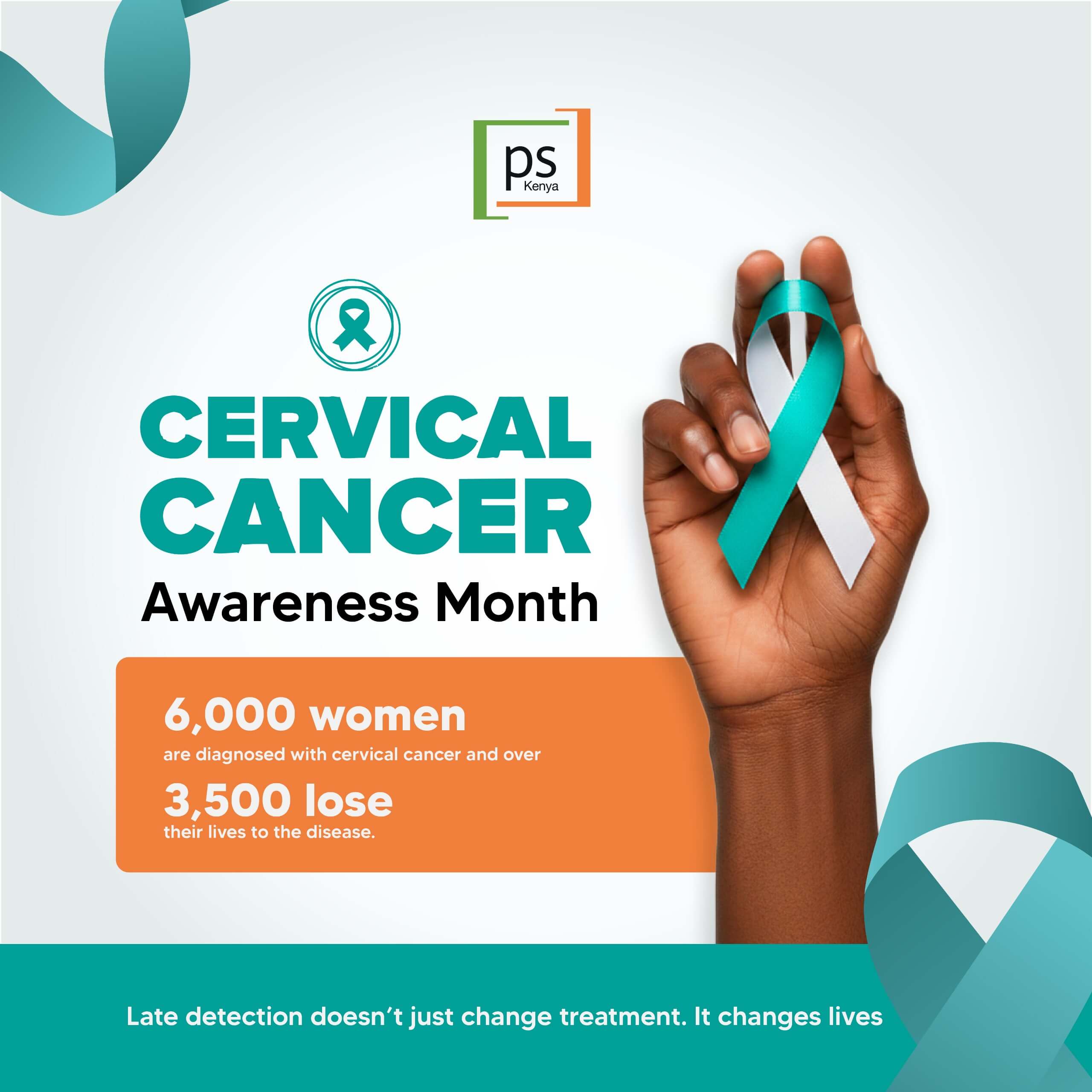
Every January, Cervical Cancer Awareness Month reminds us of a powerful truth: cervical cancer is one of the most preventable and treatable cancers, yet it continues to claim the lives of thousands of women, especially in low- and middle-income countries.
Globally, over 90% of cervical cancer deaths occur in low- and middle-income countries, where access to prevention, screening, and timely care remains uneven.
Kenya is among the countries most affected, with many women diagnosed late, when treatment options are limited and outcomes are poorer.
Behind every statistic is a woman, a family, and a community whose future is altered by a disease that could have been prevented.
Kenya has taken a critical step forward with the recent transition to a single-dose HPV vaccination regimen. This shift simplifies delivery, reduces barriers to access, and offers up to 98% protection against the human papillomavirus (HPV), the virus responsible for the majority of cervical cancer cases.
For Kenyan girls, this means earlier protection, fewer missed opportunities, and a real chance to reduce cervical cancer in the next generation.
But prevention does not stop with vaccination. Millions of women today still need access to accurate information, regular screening, and health systems that encourage early care-seeking.
Late detection doesn’t just change treatment options; it changes lives. Routine screening can identify precancerous changes early, when they are easiest to treat and outcomes are strongest.
At PS Kenya, Cervical Cancer Awareness Month reinforces our commitment to people-centred health communication and prevention-focused action.
Through behaviour change communication, we support awareness, informed decision-making, and early health-seeking behaviours that place women and girls at the centre of care. By working alongside communities, health systems, and partners, we help create an environment where prevention is understood, accessible, and acted upon.
Ending cervical cancer requires more than medical tools.
It requires informed communities, supportive systems, and sustained investment in prevention and early detection. Kenya’s progress shows what is possible when policy, science, and people align.
This month, awareness is not the end goal. Action is.

